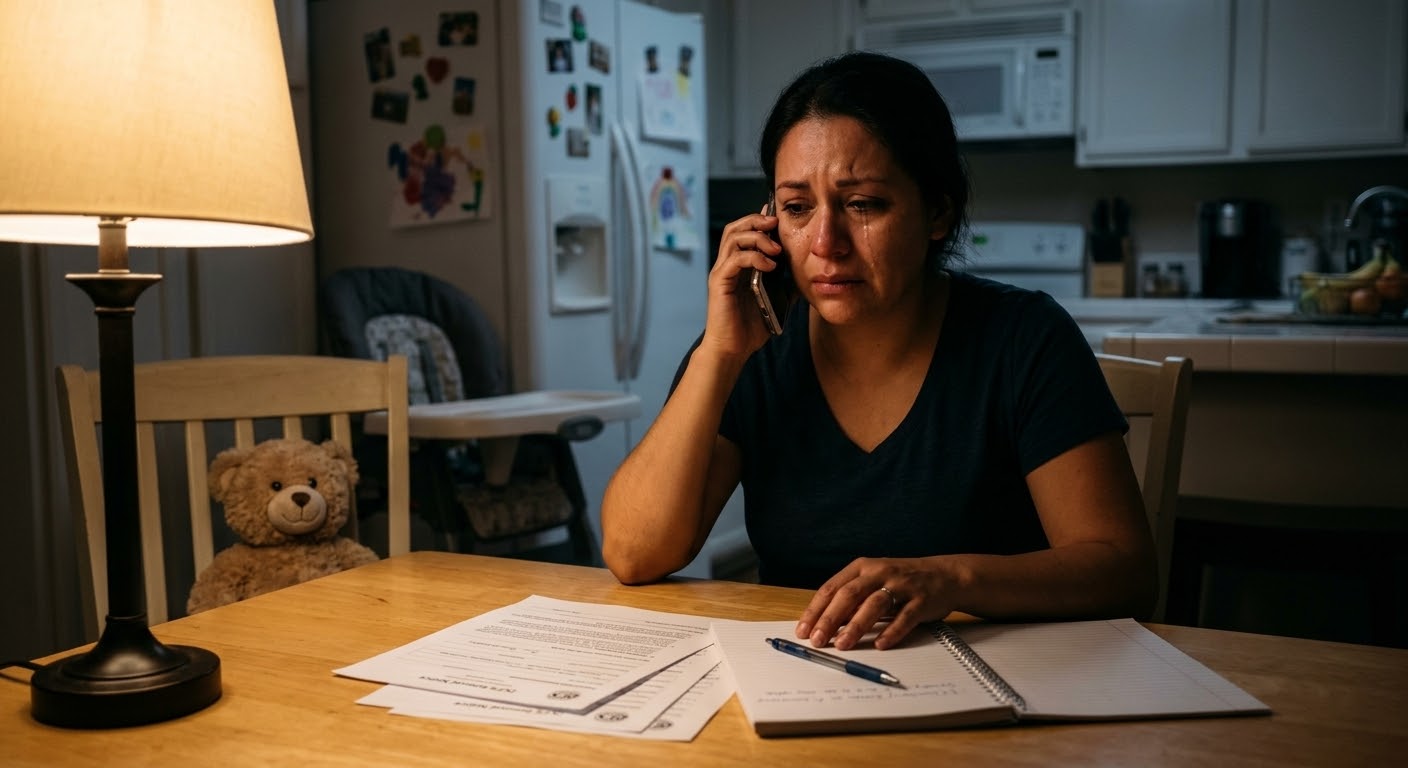
The first 24 hours after your child is removed by DCFS or CPS are the most critical of your entire case. What you do — and what you don’t do — in this window can determine whether your family is reunited in weeks or separated for years. Here is exactly what experienced dependency attorneys advise.
⚠️ If Your Child Was Just Taken — Read This First Do not speak to any CPS or DCFS social worker again without an attorney present. Do not sign any documents or agreements until your attorney has reviewed them. Do not post anything about your case on social media. Call an attorney immediately — Family First Attorneys is available 24/7 at (468) 777-7777.
Step 1: Call a Dependency Attorney — Right Now
This is not something that can wait until morning or until after the weekend. California’s juvenile dependency court operates on a tight legal timeline. The Detention Hearing — the first court appearance where a judge decides whether your child comes home — must happen within 72 hours of removal, not counting weekends and court holidays.
That means if your child was taken on a Thursday, your Detention Hearing could be as soon as Monday. If you spend the first 24 hours trying to figure out the system alone, you may arrive at the most important hearing of your life completely unprepared.
An experienced dependency attorney can:
- Appear with you at the Detention Hearing and argue for your child’s immediate return home
- Challenge the basis of the removal if it was conducted improperly
- Advise you on what to say — and what not to say — to social workers
- Help identify a relative placement so your child is not placed in foster care
- Begin gathering evidence and building your defense strategy immediately
Why Speed Matters Parents who have an attorney at the Detention Hearing consistently achieve better outcomes than those who appear alone or with a court-appointed attorney who has had no time to prepare. Family First Attorneys is available for emergency consultations 24 hours a day, 7 days a week. Call (468) 777-7777 — we will walk you through your rights and next steps immediately.
Step 2: Do Not Speak to CPS Without Your Attorney
After a removal, CPS social workers will likely contact you to schedule interviews, conduct home visits, and ask questions about the allegations. Many parents make the mistake of believing that cooperating fully and talking openly will help their case. In reality, without legal guidance, what you say can seriously hurt you.
This is not because you have something to hide. It is because dependency investigations are complex legal proceedings, and statements made without understanding the legal context can be misinterpreted, taken out of context, or used to support allegations that have no factual basis.
Your rights when dealing with CPS after a removal:
- You have the right to have an attorney present during any interview or home visit
- You have the right to ask the social worker for their name, ID number, and the name of their supervisor
- You have the right to decline to answer questions until your attorney is present
- You have the right to review any documents before signing them
The one exception: if CPS is conducting a welfare check on your child or has a court order authorizing a home visit, you are generally required to allow that access. Your attorney can advise you specifically on what is and is not required in your situation.
Step 3: Find Out Where Your Child Is
After a removal, you have the right to know where your child has been placed. CPS must provide you with your child’s location unless a court specifically prohibits disclosure for safety reasons, which is rare.
Contact the social worker assigned to your case and ask directly:
- Where is my child currently placed?
- How can I contact my child?
- When can I have visitation?
CPS is required to facilitate contact between you and your child in most cases, and supervised visitation should begin within a few days of removal. If you are being denied contact without a court order, document this and tell your attorney immediately.
Step 4: Identify Relatives for Placement
California law requires CPS to consider placing your child with a relative or someone your family knows — called a Non-Related Extended Family Member (NREFM) — before placing them in a foster home. If there is a grandparent, aunt, uncle, adult sibling, close family friend, or godparent who could safely care for your child, now is the time to act.
Within the first 24 hours, make a list of every potential relative or trusted family friend who might be willing to take your child. Include their name, relationship to your child, contact information, and location. Give this list to your attorney and to your assigned social worker immediately.
The sooner a relative is identified and assessed, the sooner your child can be moved from an unknown foster home into the care of someone your child knows and trusts. This also makes the case for reunification stronger because it keeps your child connected to their family and community.
Step 5: Start Documenting Everything
From the moment of removal, every interaction with CPS becomes potential evidence in your case. Many parents rely on memory alone and later find themselves unable to recall key details that could have made a difference.
Start a dedicated notebook or document on your phone — and record the following after every interaction:
- Date and time
- The name and title of the CPS worker or other person you spoke with
- What was said, as close to word-for-word as you can remember
- Any documents given to you or requested from you
- Any promises made or instructions given
Also photograph your home and its condition as soon as possible after the removal, particularly if the allegations involve living conditions or neglect. This creates a contemporaneous record that can contradict CPS’s account if their documentation is inaccurate.
Step 6: Begin Following Safety Plan Requirements Immediately
In many cases, before or immediately after removal, CPS will propose a Voluntary Family Maintenance (VFM) plan or a Safety Plan that outlines steps they want you to take — such as completing a parenting class, undergoing drug testing, or attending counseling.
Do not sign any agreement without your attorney reviewing it first. Some safety plans contain terms that are unnecessarily burdensome or that could be used against you later. However, once your attorney advises that a plan is reasonable, begin compliance immediately.
Courts look closely at how quickly a parent begins demonstrating positive change after a removal. Starting services immediately — even before you are ordered to do so — sends a powerful message to the judge that you are committed to your children and take your responsibilities seriously.
Step 7: Protect Your Mental and Emotional Health
Having your child removed is one of the most devastating experiences a parent can go through. The shock, grief, anger, and fear are overwhelming and completely understandable. But the weeks and months ahead require you to be present, focused, and capable of showing up for your children.
Some practical steps that help parents get through this period:
- Lean on trusted family members or friends for support — you do not have to go through this alone
- Consider speaking with a therapist or counselor. This also demonstrates to the court that you are proactively addressing your wellbeing
- Avoid alcohol and any substances, particularly if they played any role in the allegations
- Stay consistent with visitation — missing visits, even for understandable reasons, can hurt your case
- Focus on what you can control: completing services, attending hearings, and staying in contact with your attorney
You Will Get Through This — But You Need the Right Support The dependency system is designed to be navigated with professional legal help. Parents who have experienced, dedicated attorneys from day one reunite with their children faster and more often than those who try to navigate the process alone. Family First Attorneys is here for you — call (468) 777-7777 any time, day or night.
How Family First Attorneys Helps Families in Crisis
Family First Attorneys provides immediate, aggressive representation for parents and families facing DCFS and CPS cases throughout Orange County, Los Angeles County, Riverside County, and San Bernardino County. We understand that when your child is taken, every hour counts.
Attorney Mitchell Krems has represented hundreds of families in juvenile dependency proceedings, from the initial Detention Hearing through appeals and expungements. We know the Orange County and Southern California dependency courts, we understand how social workers build their cases, and we know what it takes to get children home.
If your child was just taken, or if CPS has contacted you about a potential removal, do not face this alone. Call us now for a free, confidential emergency consultation.
Family First Attorneys — Available 24/7 for Emergency Consultations Call now: (468) 777-7777 Serving Orange County, Los Angeles County, Riverside County, and San Bernardino County. Free initial consultation. We will explain your rights and your options immediately. Se habla español.
This article is for informational purposes only and does not constitute legal advice. No attorney-client relationship is formed by reading this content. Every CPS and DCFS case is unique and outcomes depend on the specific facts and circumstances involved. Please consult a qualified California family law attorney regarding your specific situation.
Protect Your Family — Call Now
Family First Attorneys provides 24/7 emergency consultations and aggressive defense for parents across Los Angeles, Orange, Riverside, and San Bernardino Counties.
Call (468) 777-7777 — Free ConsultationThis article is for informational purposes only and does not constitute legal advice. No attorney-client relationship is formed by reading this content. Every CPS and DCFS case is unique and the outcome depends on the specific facts and circumstances involved. Please consult a qualified California family law attorney regarding your specific situation.